UX Case Study
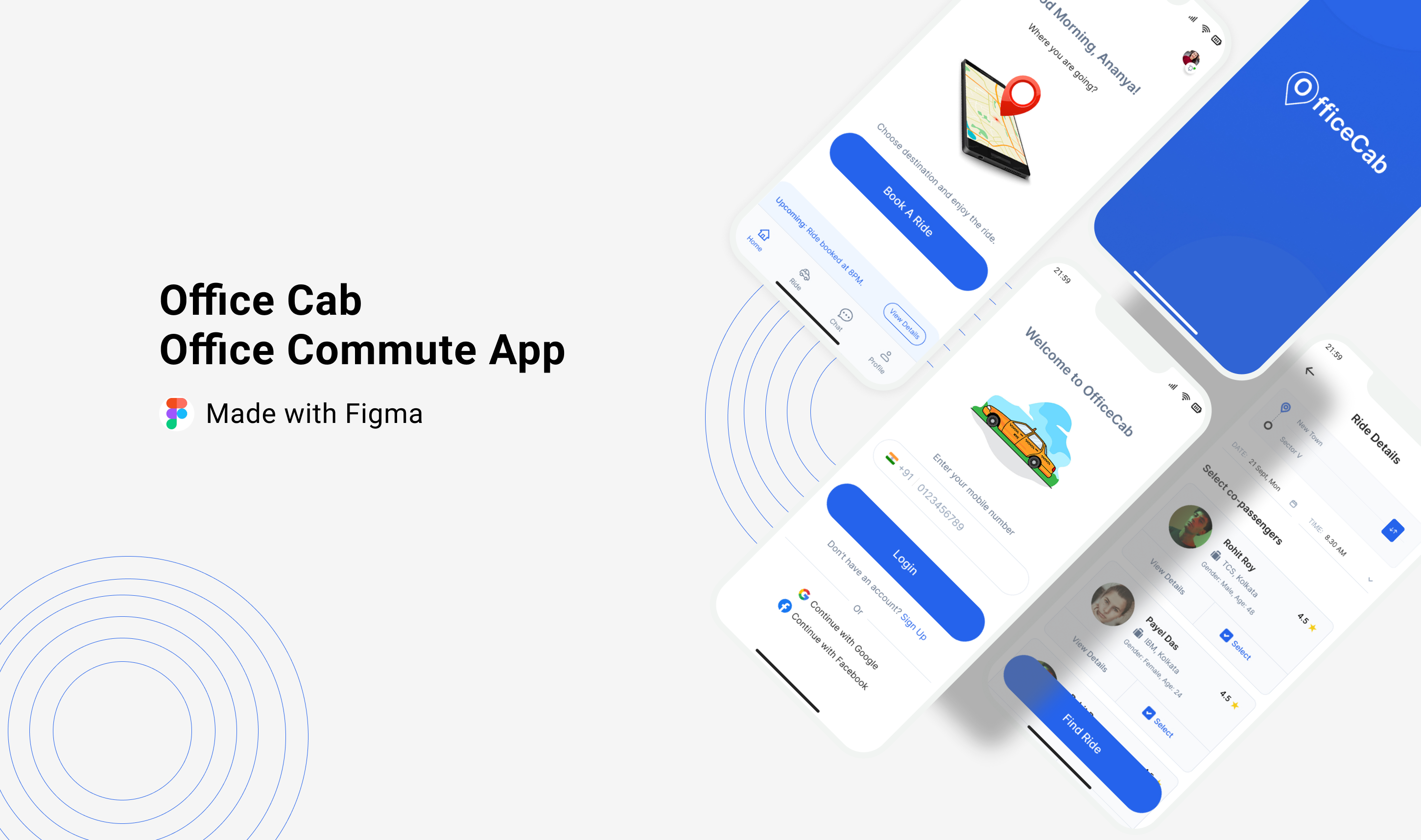
I have designed an mobile application named OfficeCab. It provides shared app cab service to the professional who doesn't have cap facility from the office. While designing I kept in mind of the demography, population, climate and the commute struggle of the users.
The research is long as it quite detailed. In case you want to see the UI screens fast. Then click the button below.
The Problem Statement
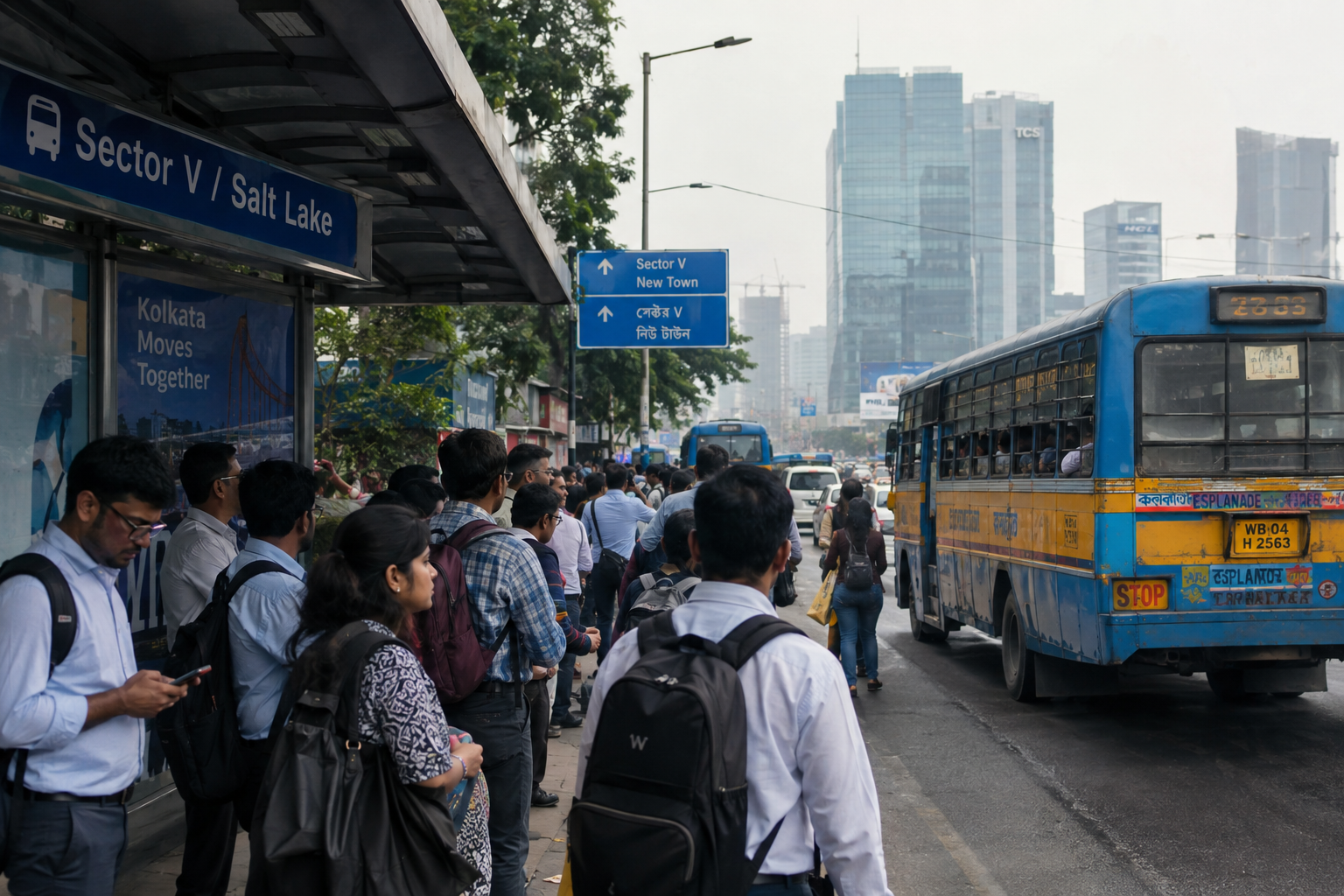
"Design a digital solution (mobile application, web platform, or feature integration) that helps budget-conscious IT professionals in Kolkata navigate, plan, or optimize their daily commute to Sector V / New Town, minimizing travel stress, excessive crowding, and delays while remaining financially viable."
Key Constraints & Factors to Consider
- The Budget Persona: The primary user earns a modest salary. Spending ₹300–₹500 daily on cabs is not sustainable. Their sweet spot for a one-way commute is under ₹50–₹80.
- Kolkata’s Transit Infrastructure: The solution should leverage or complement existing transit modes: Metro (including the Green Line/East-West Metro), local trains (e.g., via Bidhan Nagar station), government/private buses, auto-rickshaws, and ferries.
- Real-time Unpredictability: Overcrowding makes it hard to board the first bus that arrives, and traffic bottlenecks (like the Chingrighata intersection or EM Bypass) cause unpredictable delays.
Goals & Objectives
On the basis of the above problems, the objectives of this study case are:
- Implementation of commute to office app.
- To reduce air & sound pollution due to traffic.
For Personal
- To see how far my creative process can go within a limited time.
- Expanding my portfolio.
Project Duration
1 week
Methodology
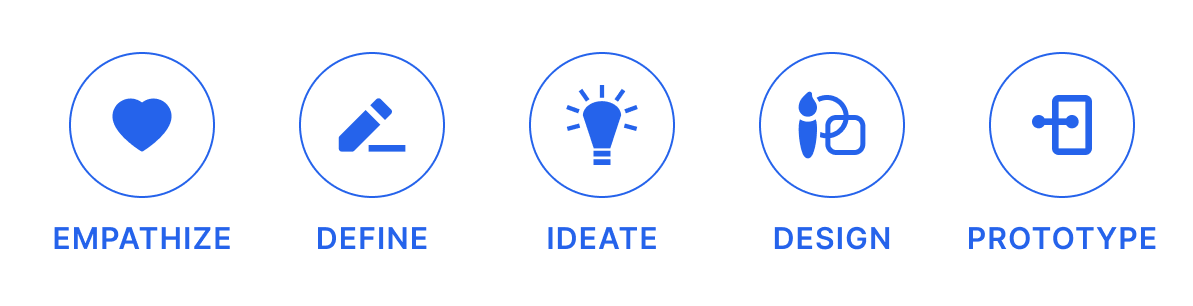
At my workflow, I use Design Thinking methodology to find solutions from the user problem. Design thinking is a non-linear, iterative process that teams use to understand users, challenge assumptions, redefine problems and create innovative solutions to prototype and test.
The Study
IT sector of Kolkata, West Bengal, is primarily split between Salt Lake Sector V and New Town–Rajarhat. The geographical land area covers ~1.74 km² for Salt Lake Sector V and about 30.8 km² for New Town–Rajarhat. Combining both the area approx. ~246 lakh sq ft office footprint has been estimated.
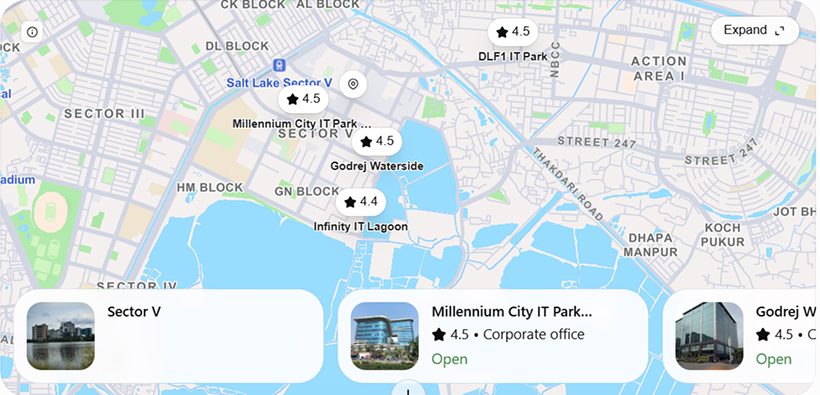
According to the India Today’s 2025 report , 260,000+ people across roughly 1,500 IT firms is working here. Female employees make up approximately 32% to 36% of the total tech workforce.
Nearest Railway & Metro stations
- Bidhan Nagar railway station
- Sector V metro station
- Karunamoyee metro station
Last metro timing
The last metro from the sector V metro station leaves at 10.30PM on weekdays. But if someone wants to connect with blueline which heads towards Dunlop needs to catch the 10.00PM metro.
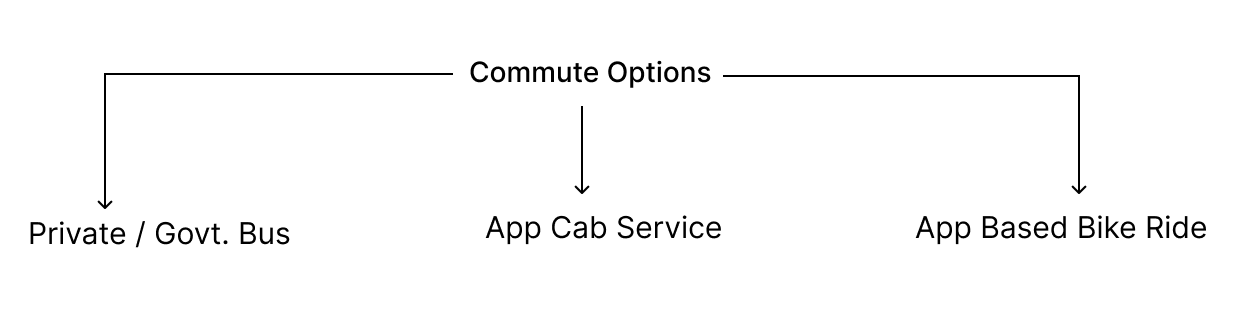
Private / Govt. Bus
- The Buses can’t maintain a schedule timing due to road traffic condintions.
- These buses are overcrowded.
- Not everyone gets a seat. Sometimes not even get a decent standing space.
App Cab Sevices
App cab services are quite expensive. For only 6km distance it costs around Rs. 250. For 30days, it will be 250 X 30 = Rs. 7500
App Based Bike Ride
- For a distance on 6km, its costs Rs. 70. That means 70 X 30 = Rs 2100
- During summer time when temperature reaches around 40°C, the become uncomfortable.
- Also during monsoon season it becomes a difficult ride.
The Solution
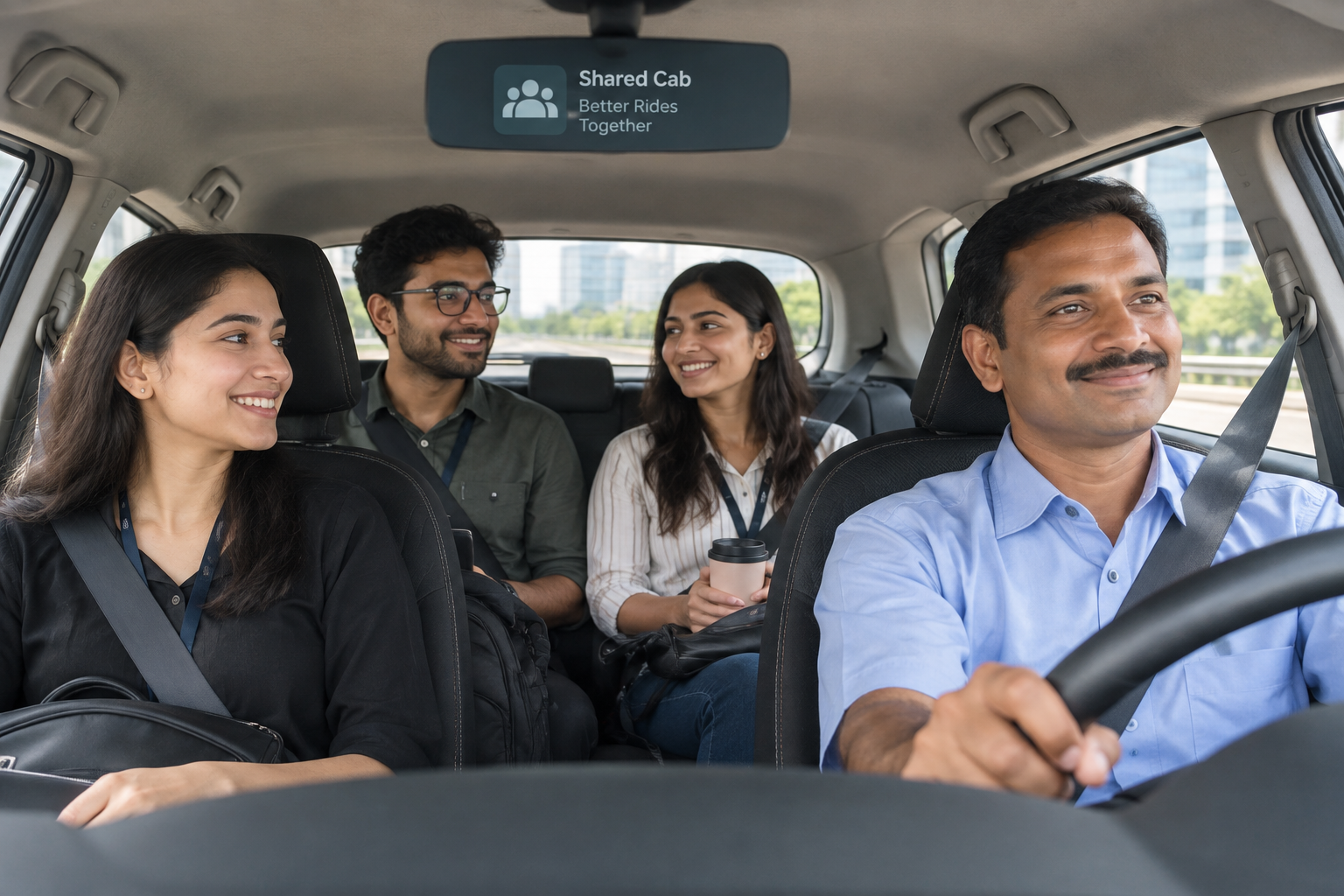
For a distance of 6km a app cab costs around Rs.250. It carries mostly 1 person 2 seats remains empty. If the costs splits between 3 , then 250/3 = Rs. 83. That means 83 X 30 = Rs 2490 monthly. Shared Cab Service, with all the safety and prebooking feature, is the solution to the problem.
Competitor Analysis
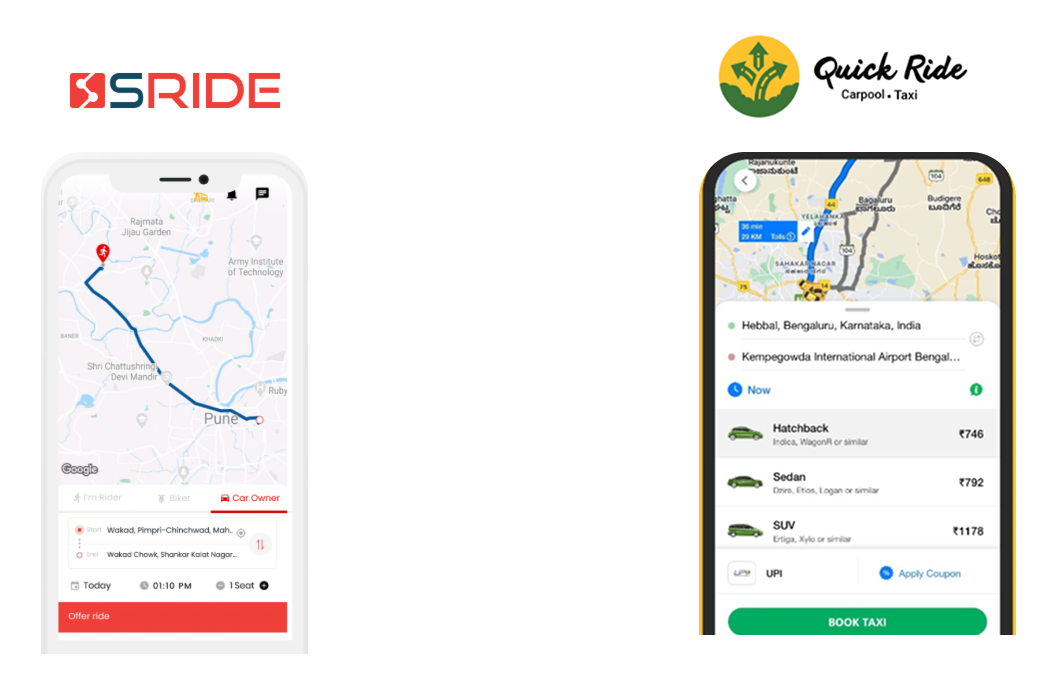
We have 2 major competitors who already working in the market. Sride and Quick Ride. Both platform offers shared cab services.
Sride
A person can use the same account as either a rider or car owner, and can switch roles. sRide describes its core product as connecting car owners offering rides with riders travelling in the same direction..
Business Challenges
- Grouping user based on their travel routes.
- Security of users should be ensured
- Verification of users (To confirm their workplace).
- Verification of drivers and their vehicles
User Needs
- User feels that it would be better to have a way to commute to work, avoiding traffic.
- User needs a time-efficient way to commute to work, so that they can reach their workplace on time.
- User needs a cost effective way to commute to work, which could help them save some money.
Product User
Mostly IT professionals aging between 20 - 60.
Unique Features
- The user can pre-book rides up to 10days which will save a lot of time for the users as they need not book everyday.
- User can book rides for his/her in-app friends.
- Users can interact with other users/co-travelers through the app and form a community
Stage 1: Emphatize
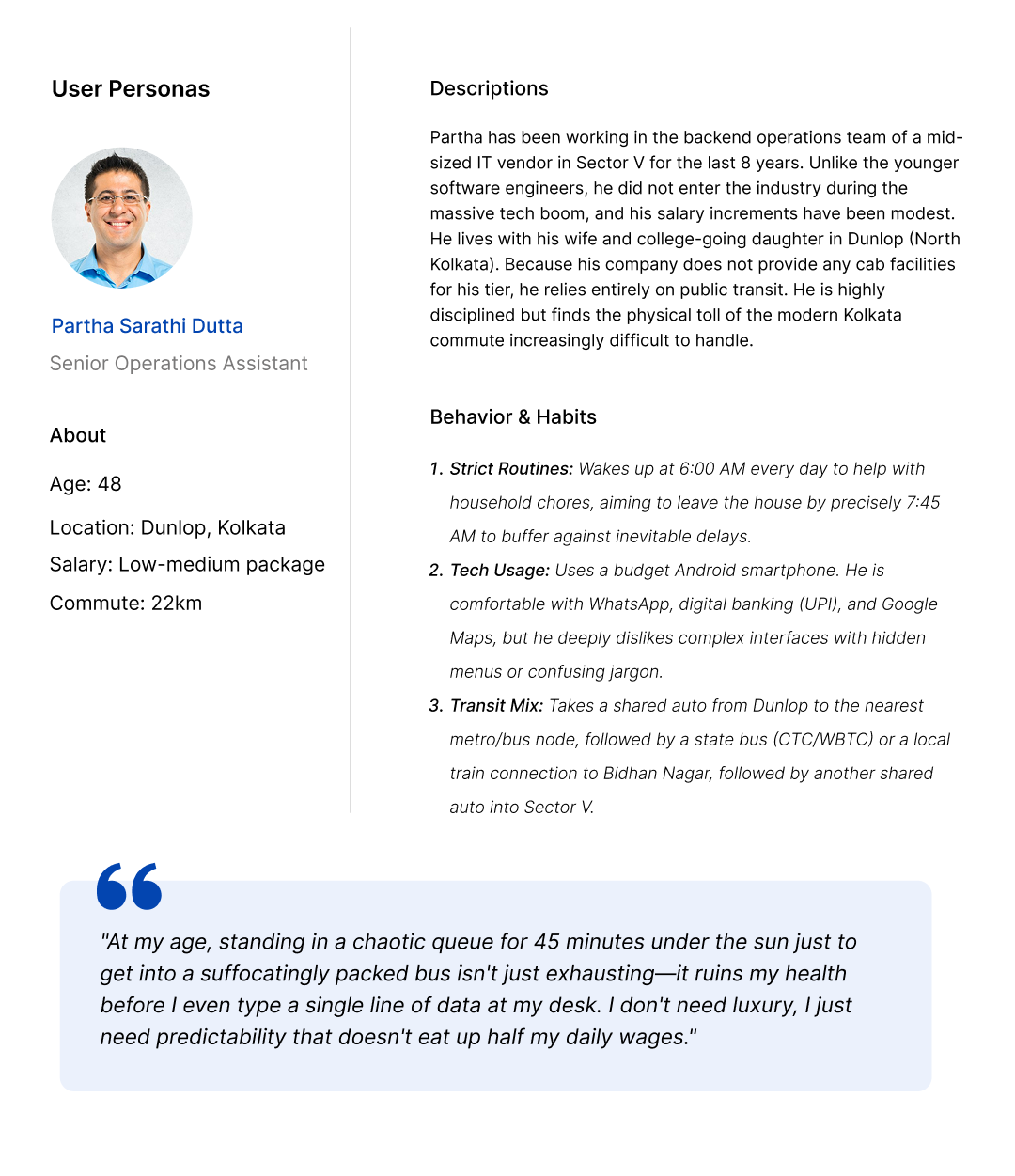
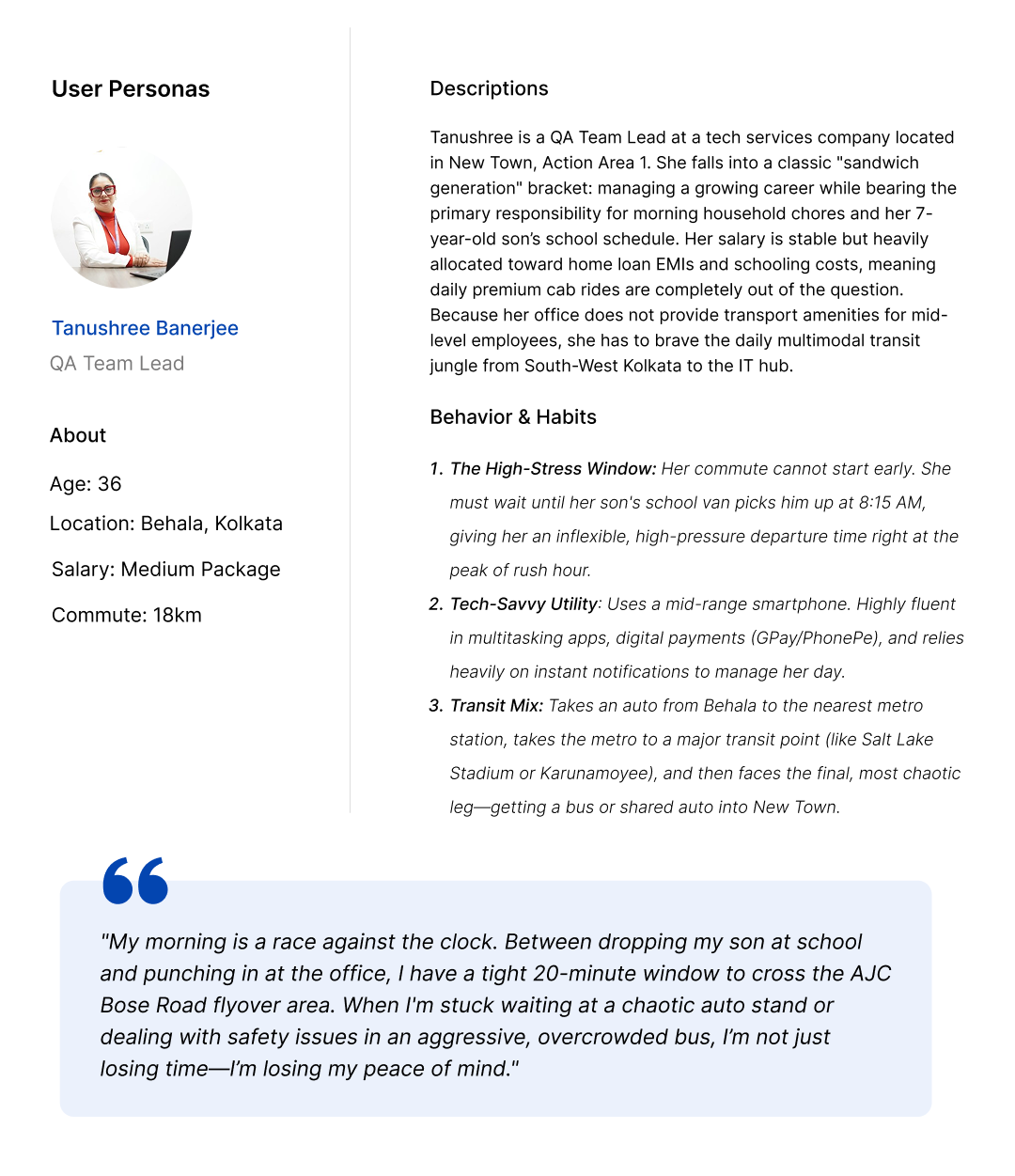
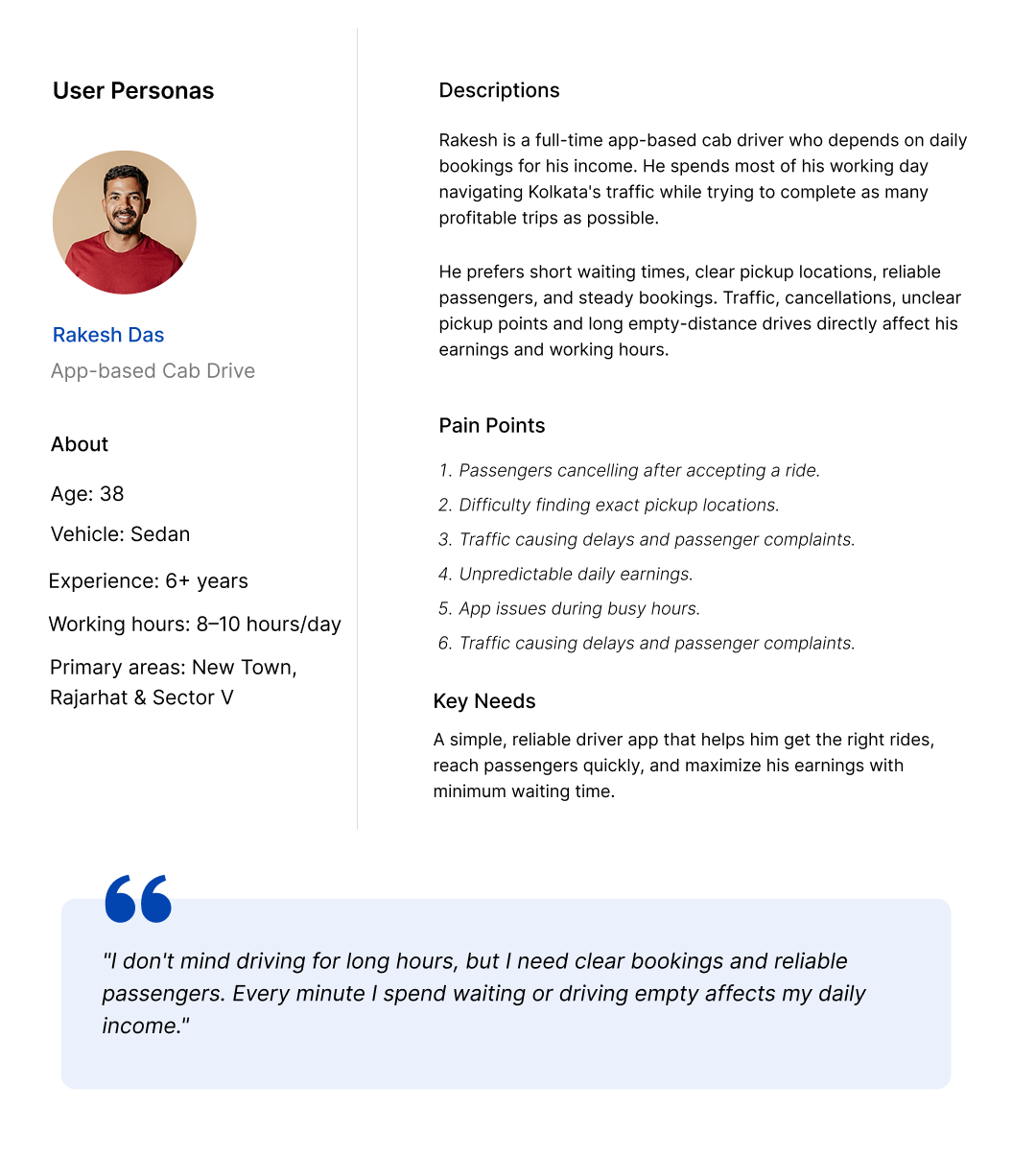
I want to learn users’ behavior, habits and circumstances during they commute to office. In order to get broader perspectives and therefore the product feasibility as a whole, I divide the user criteria into two:
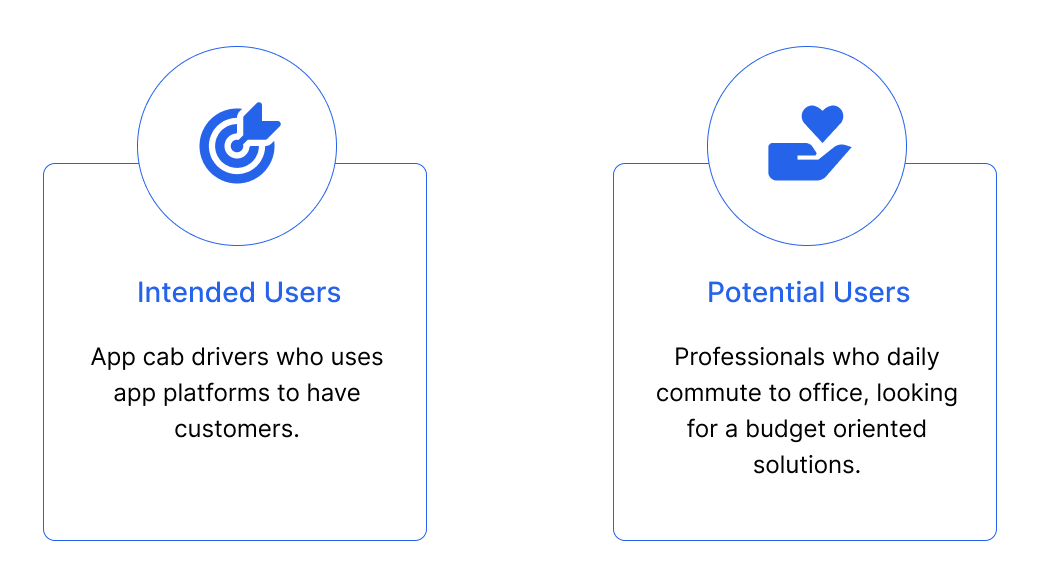
Intended users
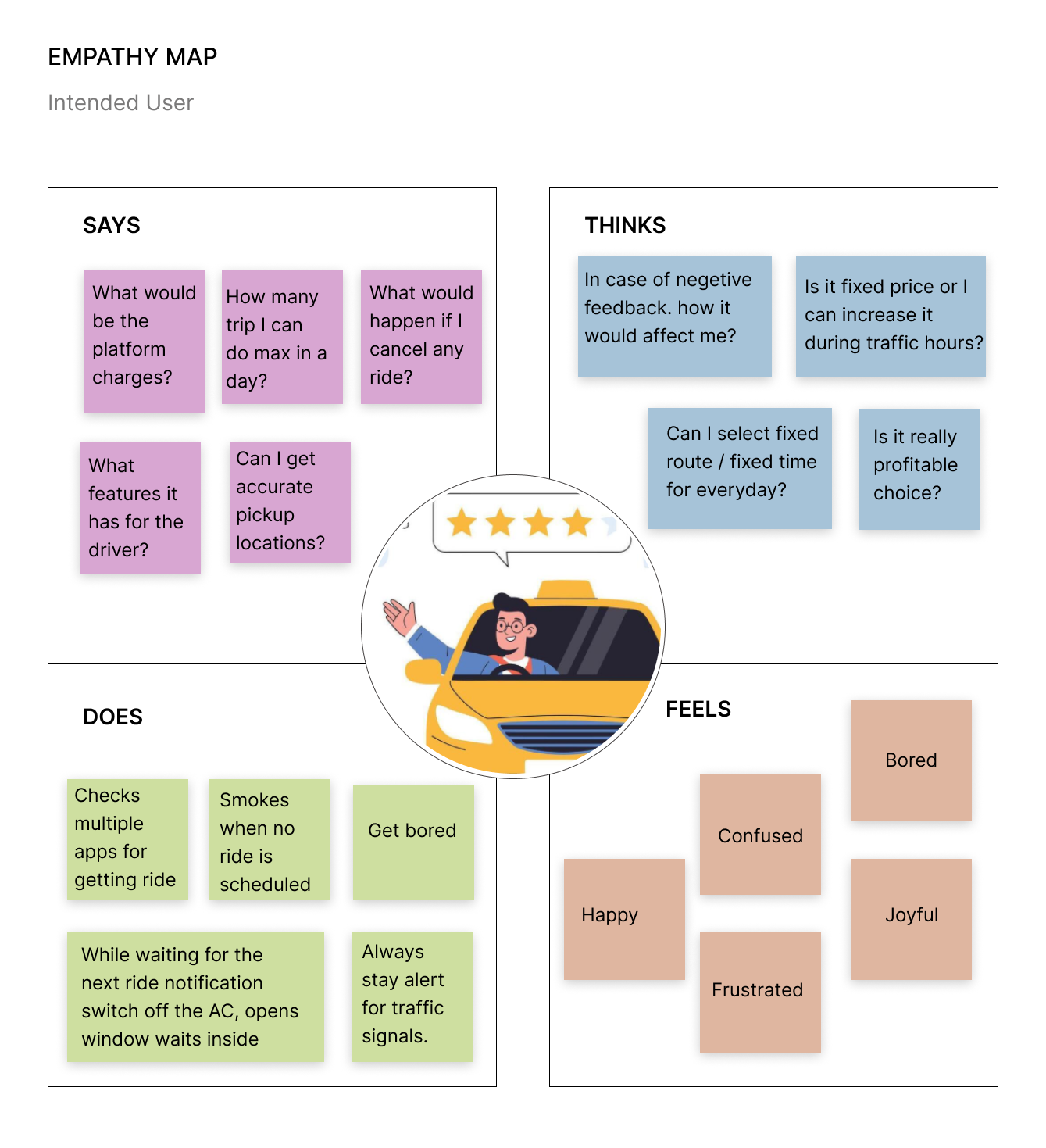
- Most of the cab driver drives with uncertainty. They don’t know exactly how long they have to wait for the next ride and sometimes they face difficulties to find a parking spot.
- Due to the uncertainty and unscheduled structure of work, they regret not having Sunday as a holiday. They feel guilty for not having sufficient time with family and friends.
Potential users
- Working professional who are looking for safe and budget solution to commute to office.
- If the users know the spot and exact timing of the pickup everyday with a pre booking system, it would save their time and efforts.
Stage 2: Define
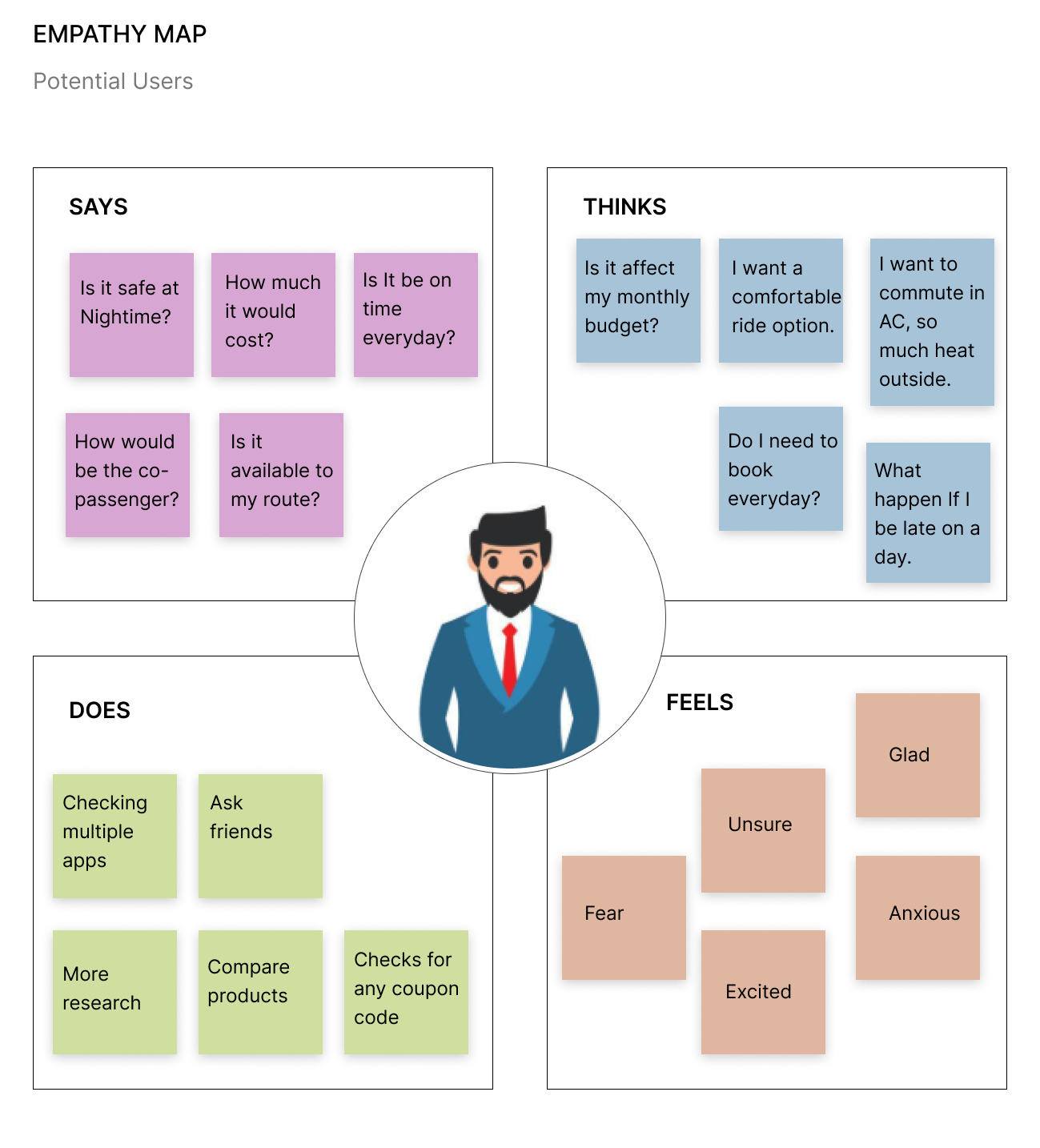
After compiling the data in stage 1. Next, I do observations by making an empathy map and a user storyboard to look for opportunities that could be implemented to the product.
Storyboard
Scenario: Meet Riya. Riya Is a graphic designer. Working in IT company, located in ecospace newtown area.
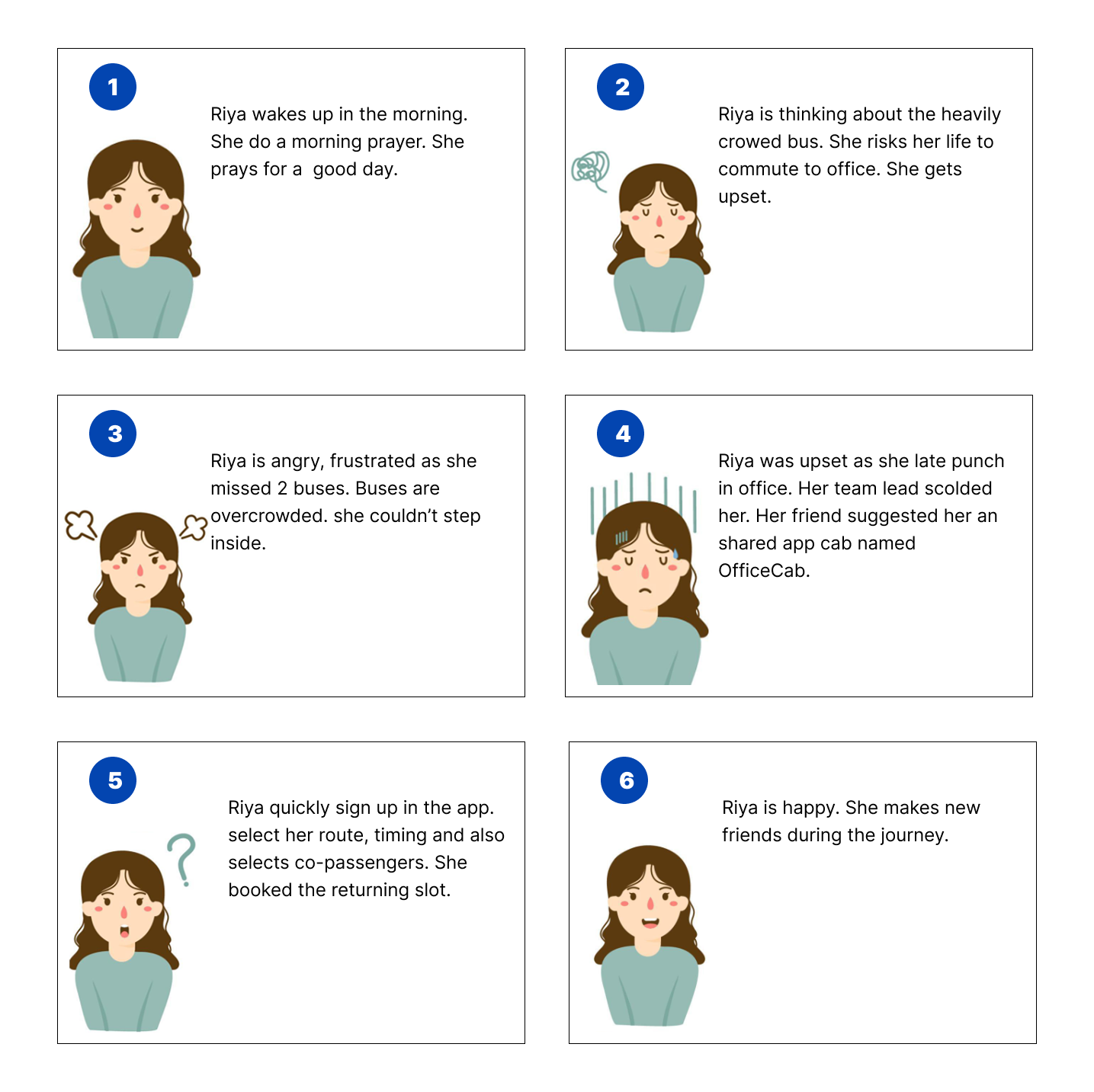
At a moment, I try to empathize deeply with the people I interviewed, so that I can understand their needs, thoughts, emotions, motivations. In this case, I drew some goals:
Defining the Problem
- People want to book cab through apps because of convenience.(means they don’t want to bargain for the price, wants clear pickup and drop option and safety issue.)
- Bad weather condition like extreme heat, monsoon, chilling winter bothers , they want a comfortable and peaceful ride option.
- For cab drivers: A fixed route and timing for everyday would reduce the uncertainty of not having passengers.
Designing the Solution
- Creating an app where users can schedule and book ride.
- User can book ride for their in-app friends.
- For the regular user there would be immediate notification if they missed prebook.
- User can choose the co-passengers.
- A review system in which they can check the quality of the service.
Stage 3: Ideate
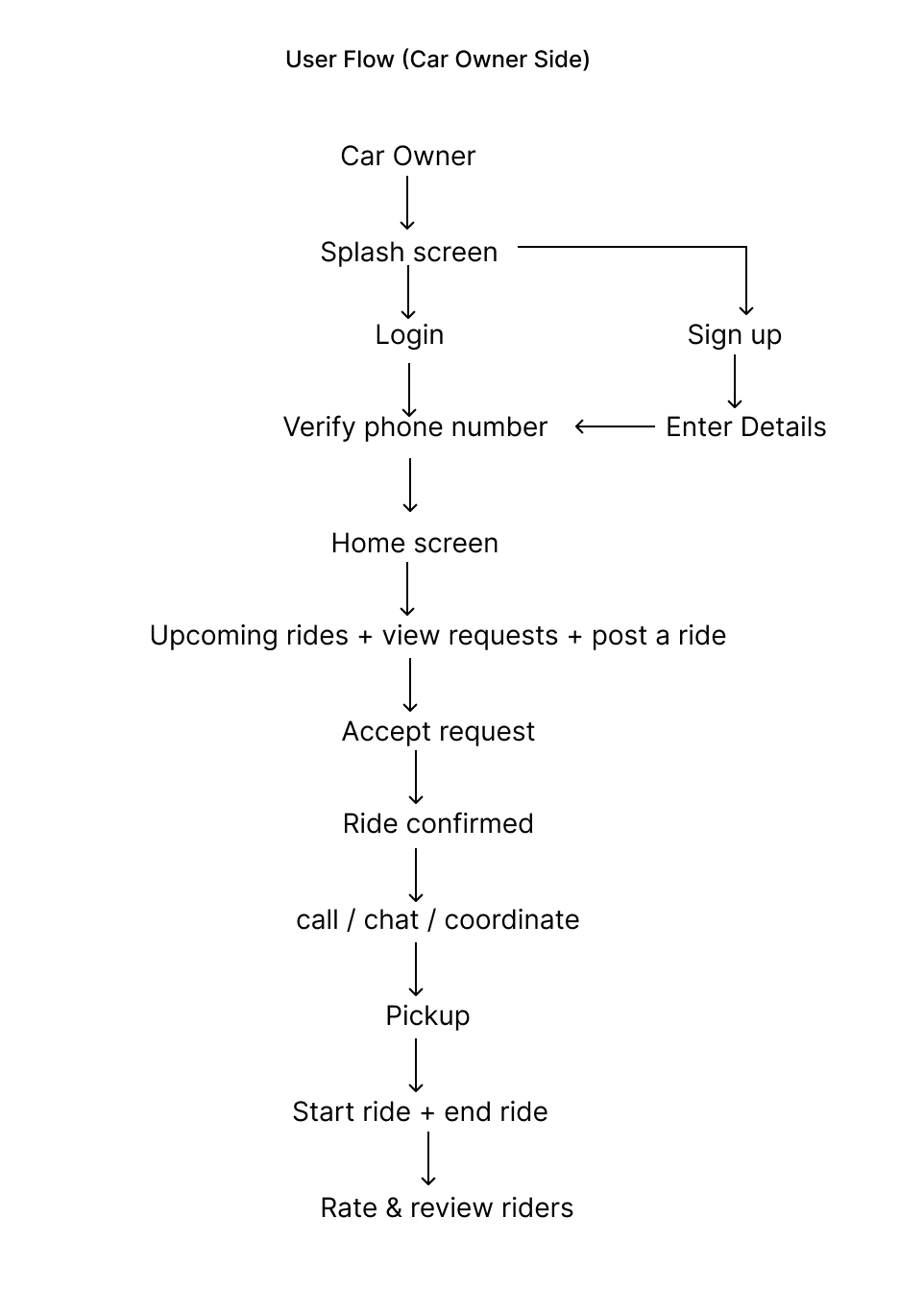
At this stage I created a user flow.
User Flow
I have created the key user flows where it helps anyone to easily get an idea about the app and its flow.
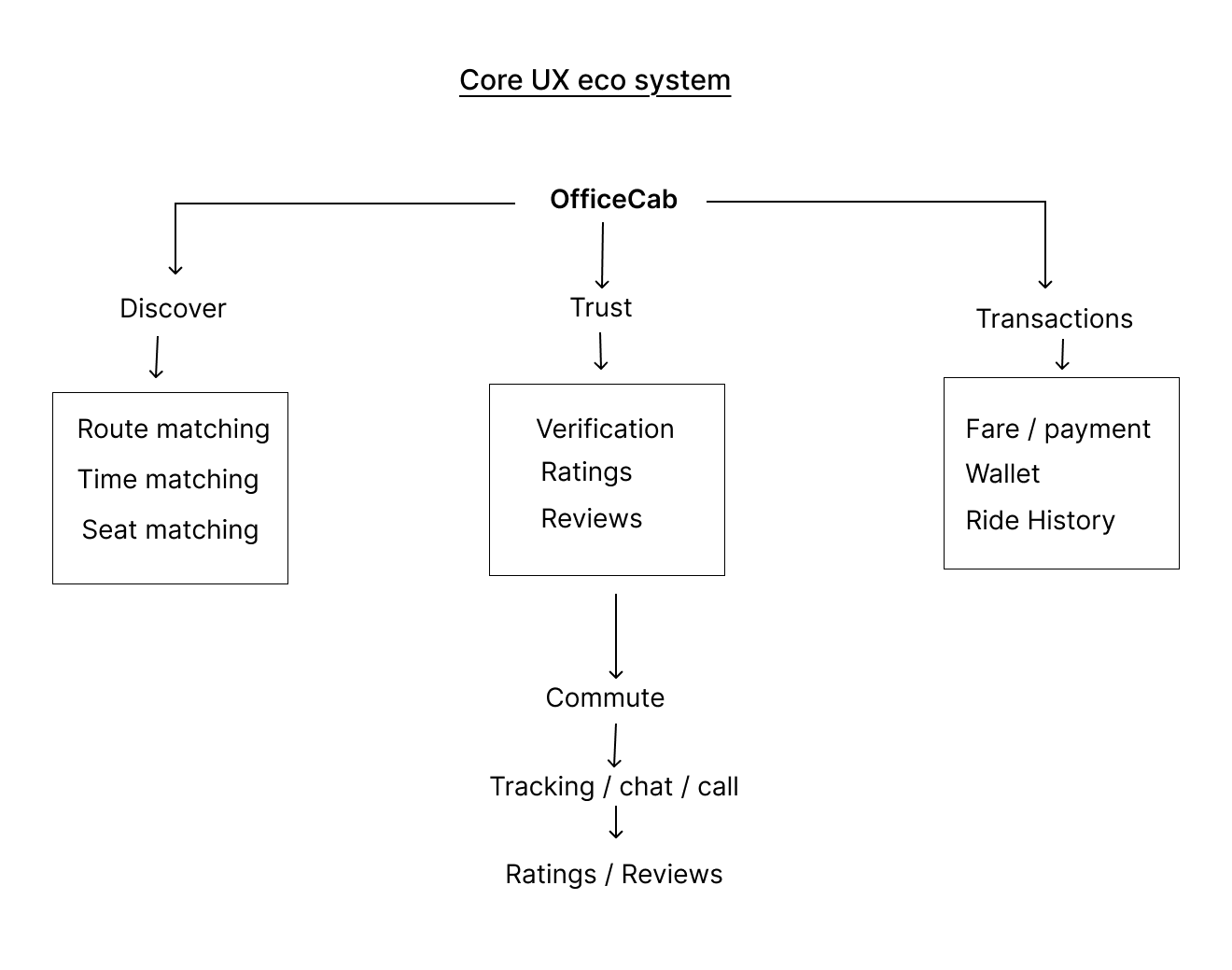
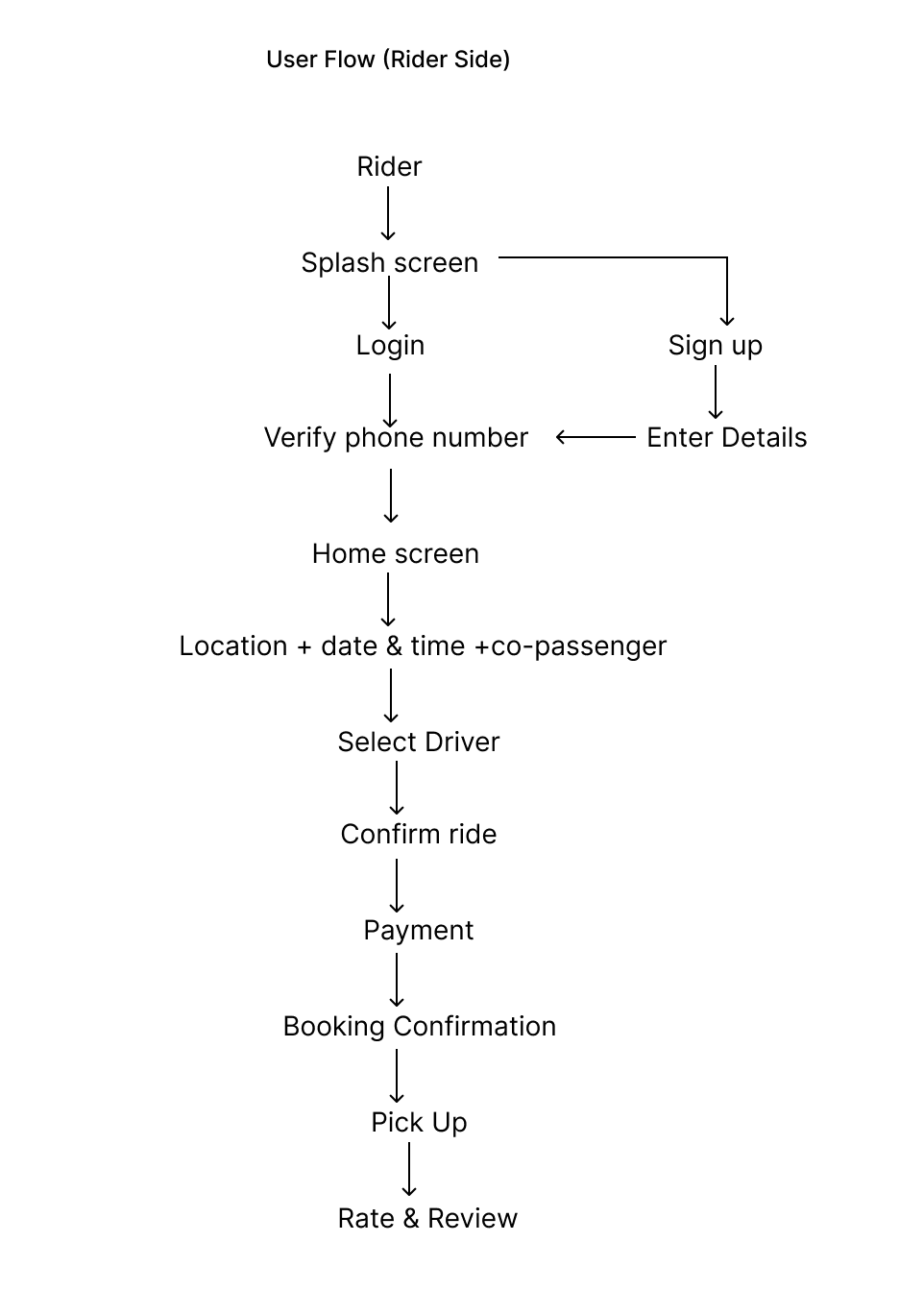
Stage 4: Design
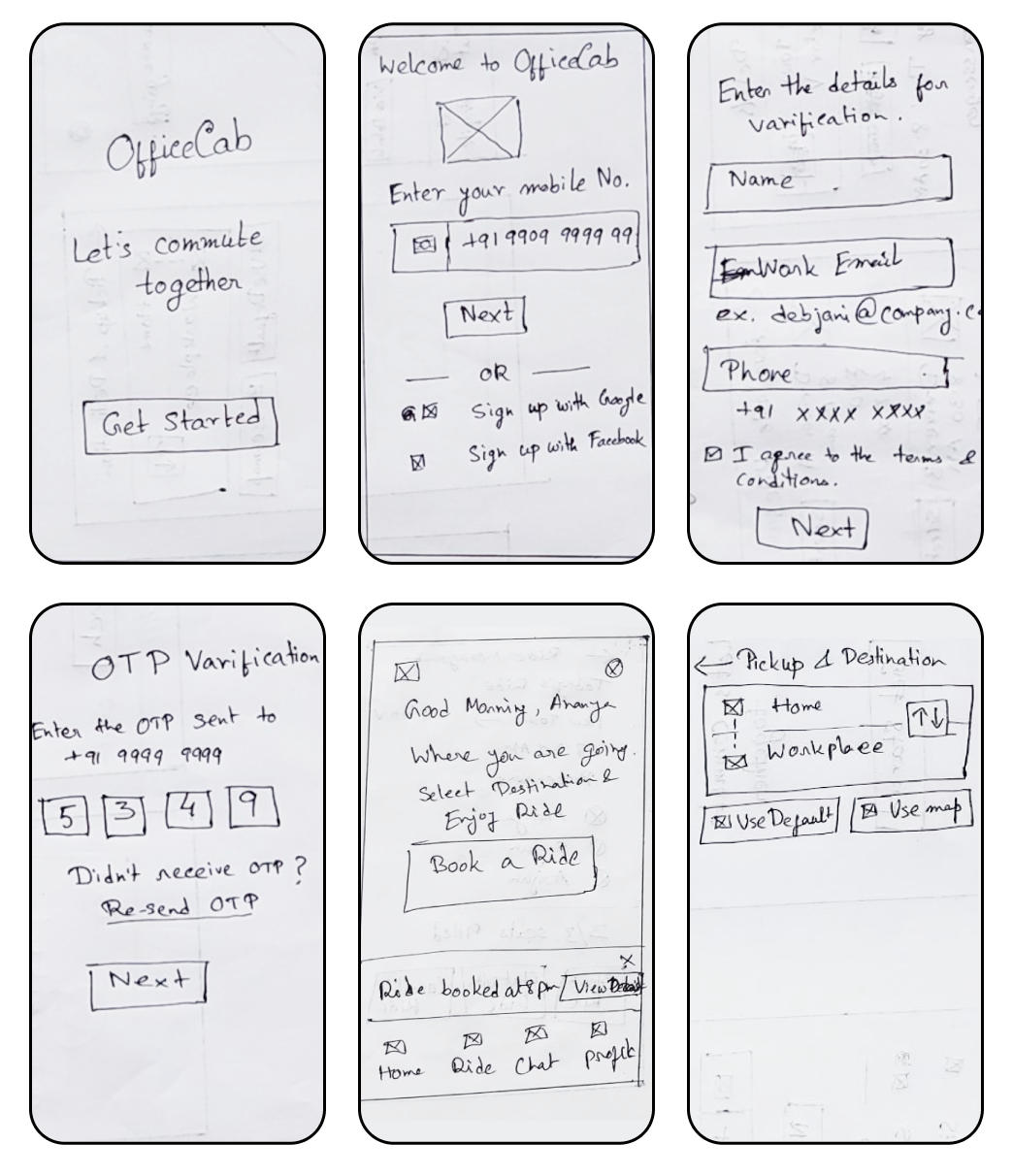
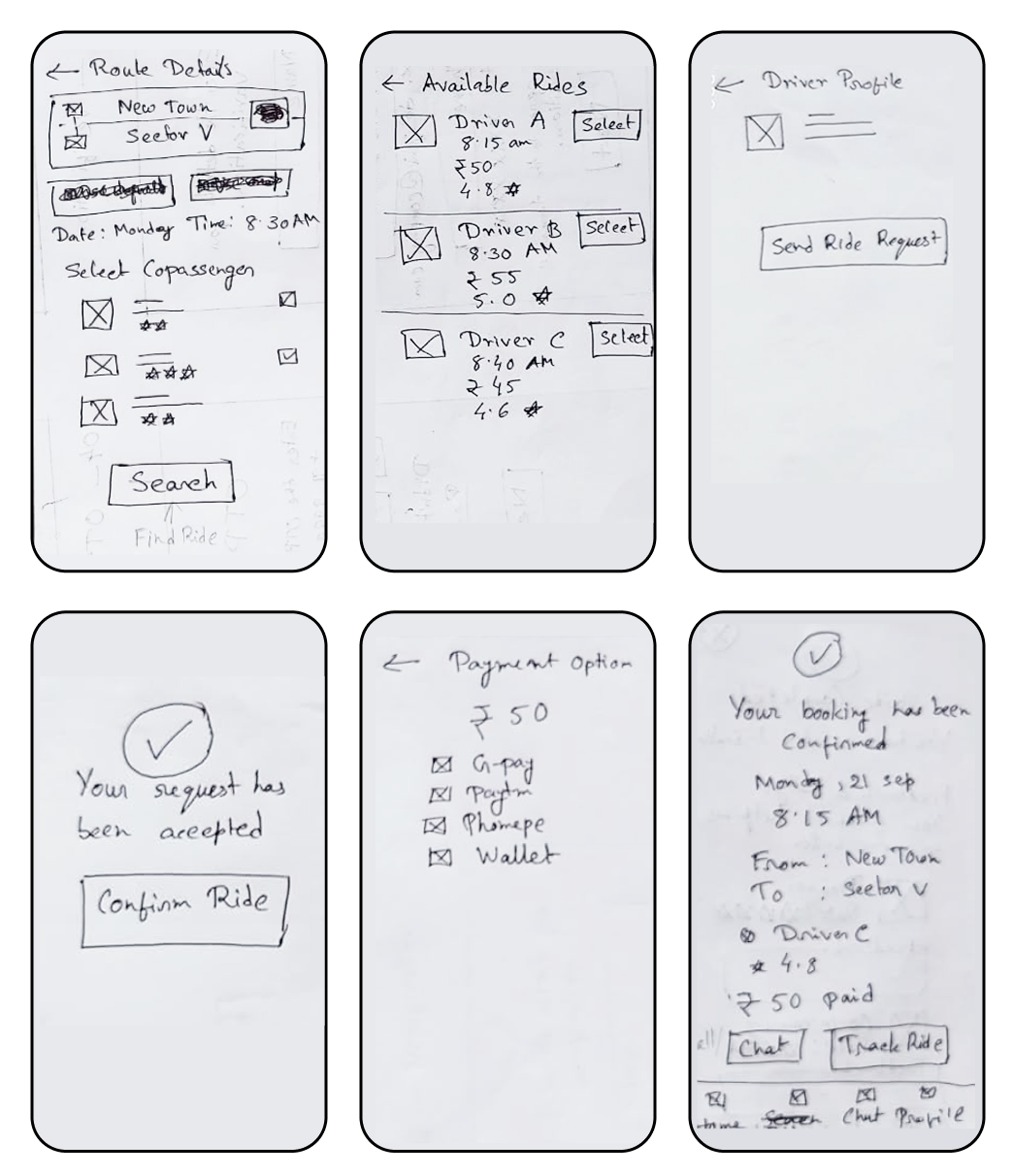
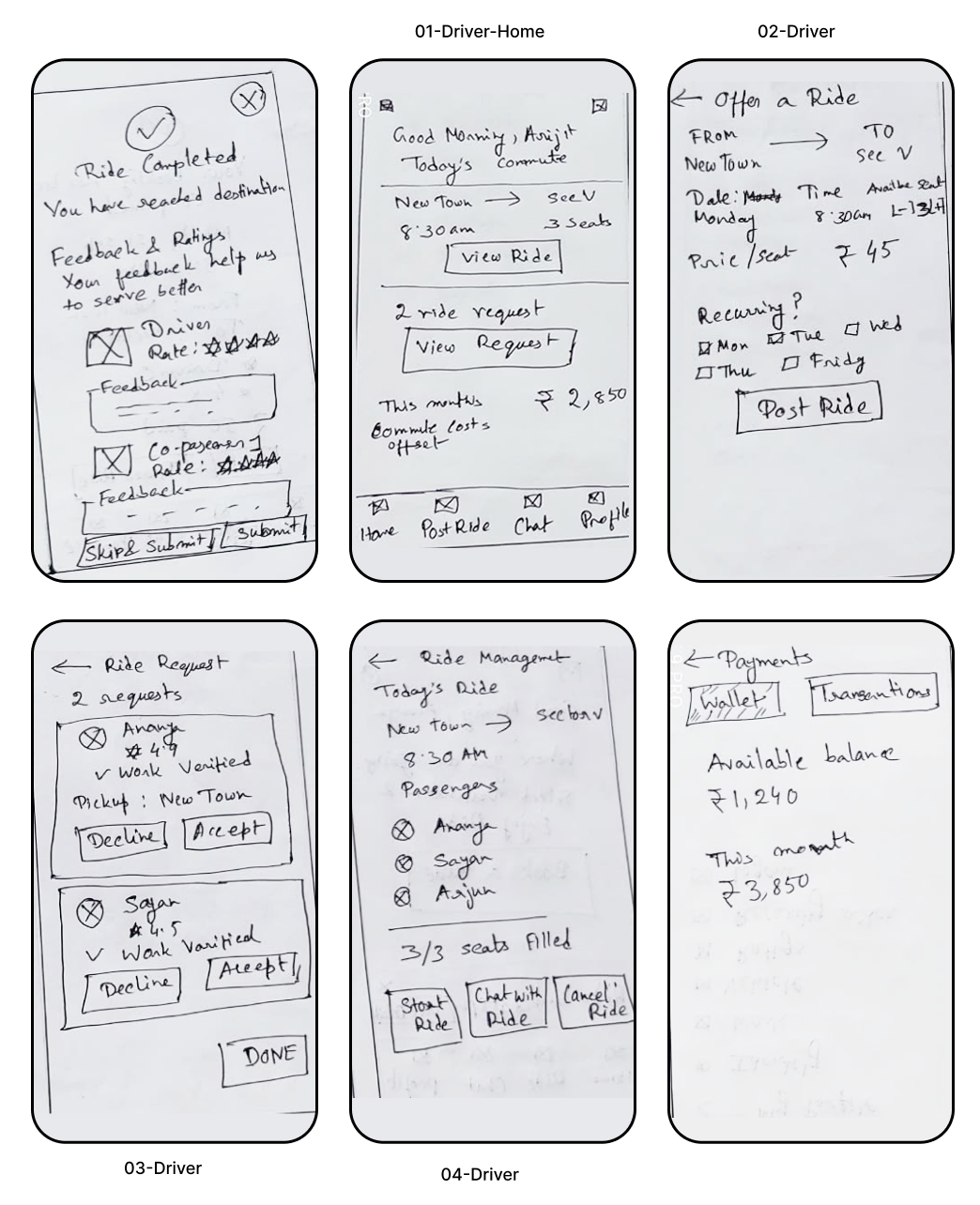
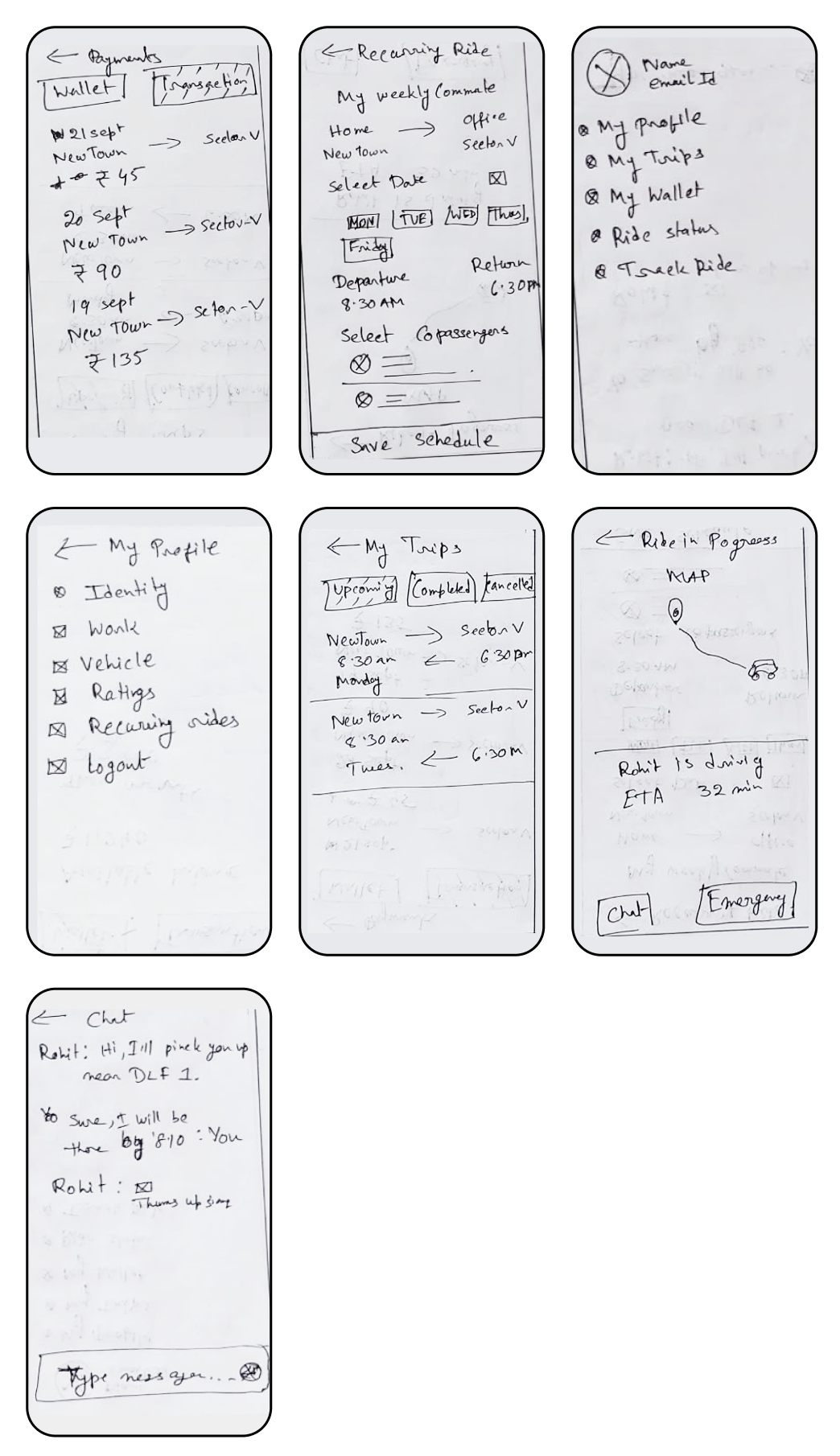
Wireframe
The first step of screen design is paper wireframe.
Design System
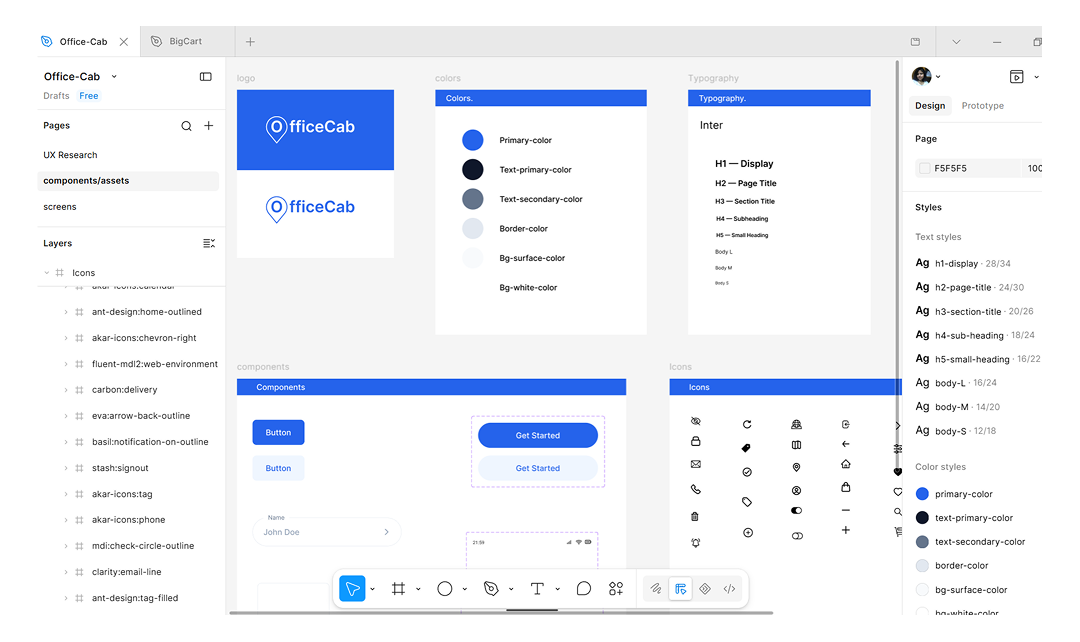
Before stepping into the high fidelity design, first I prepared a color palete, typography, icons ans components.
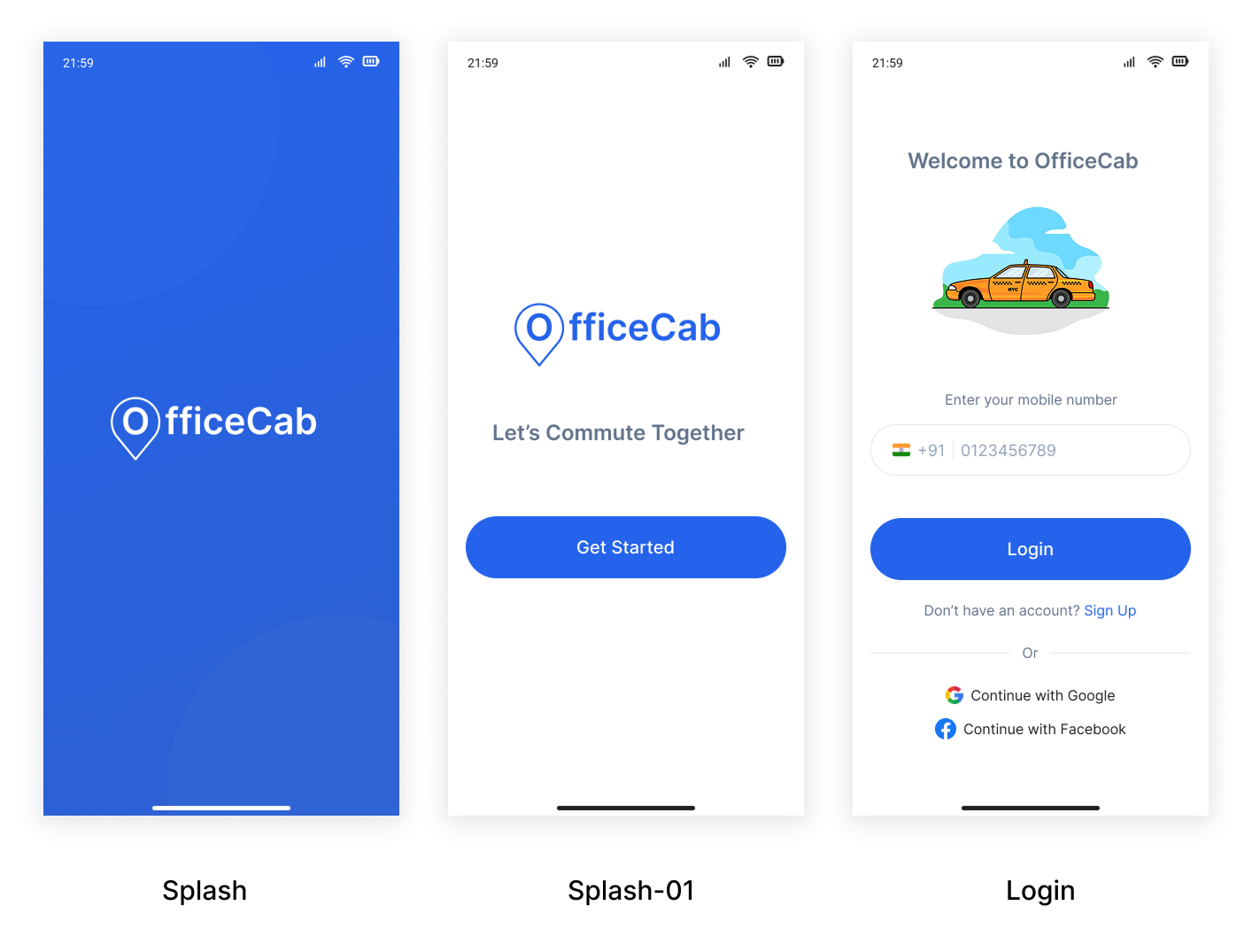
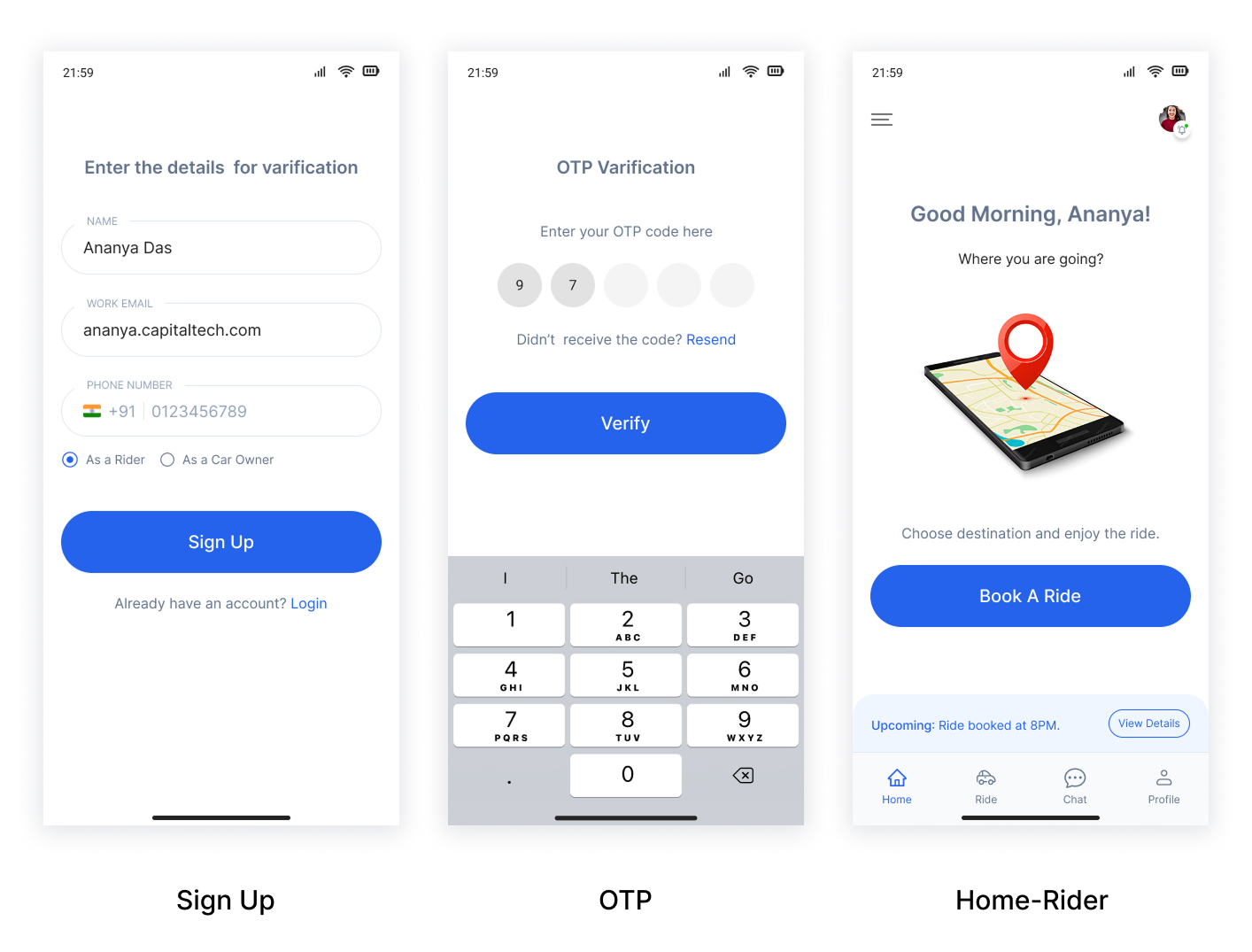
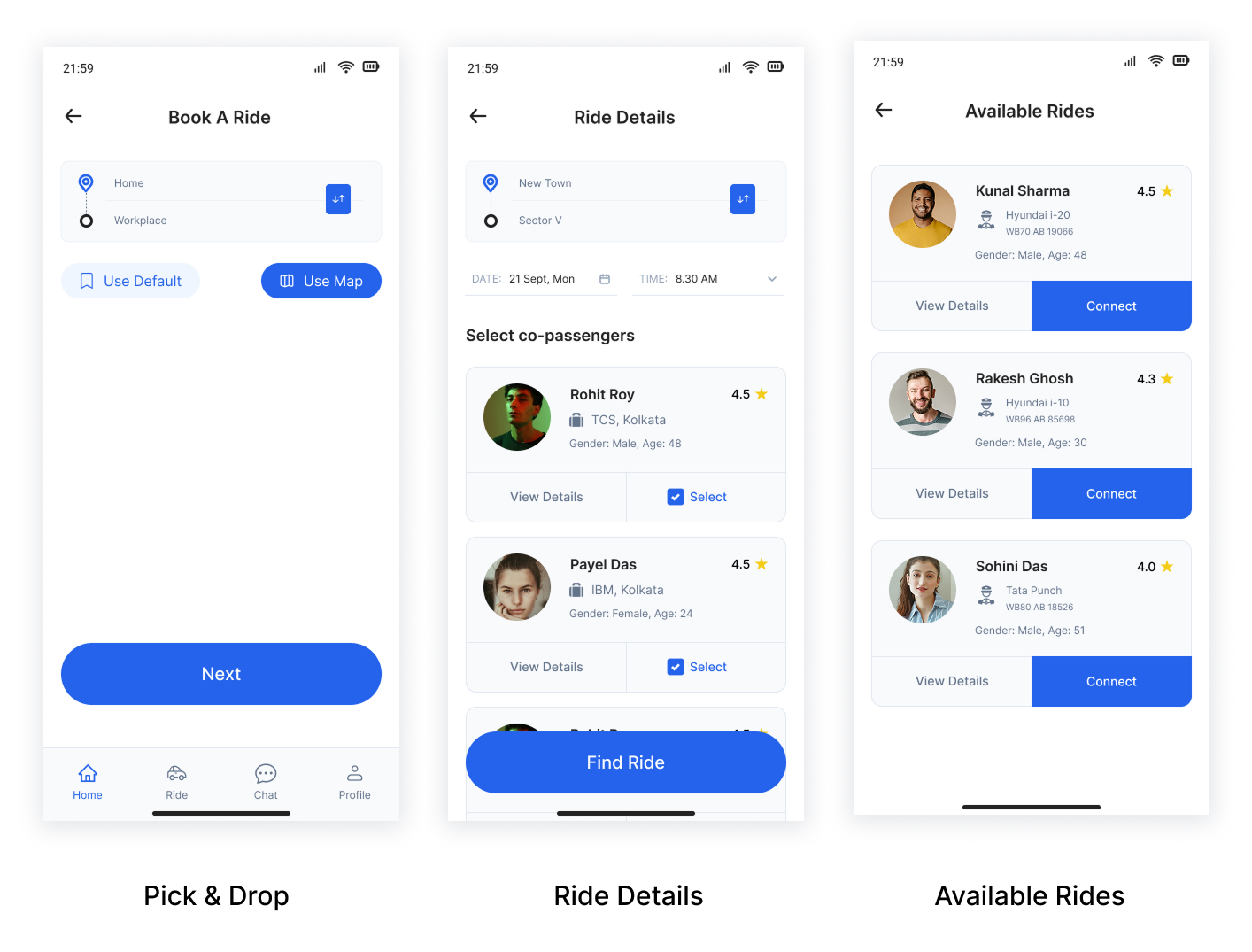
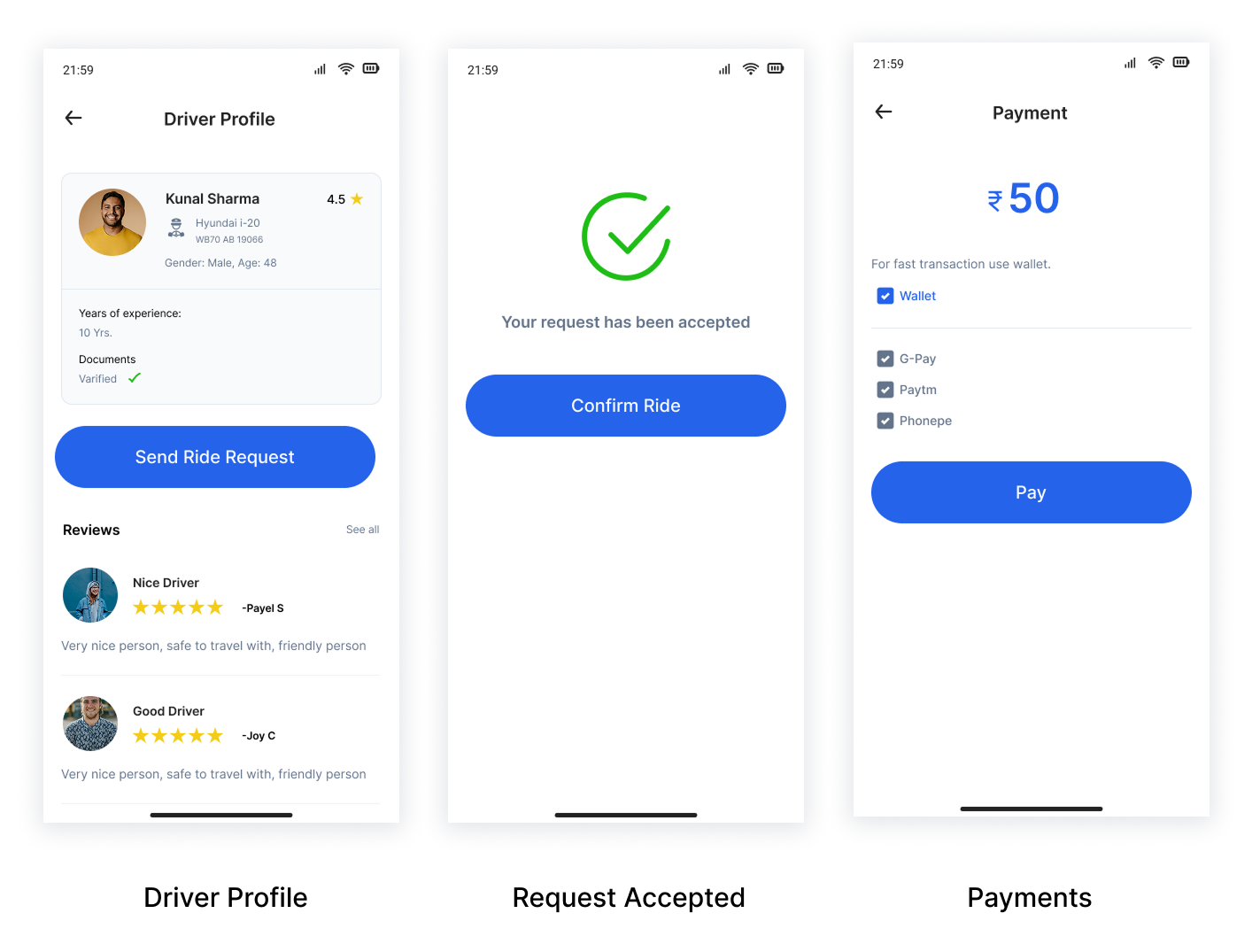
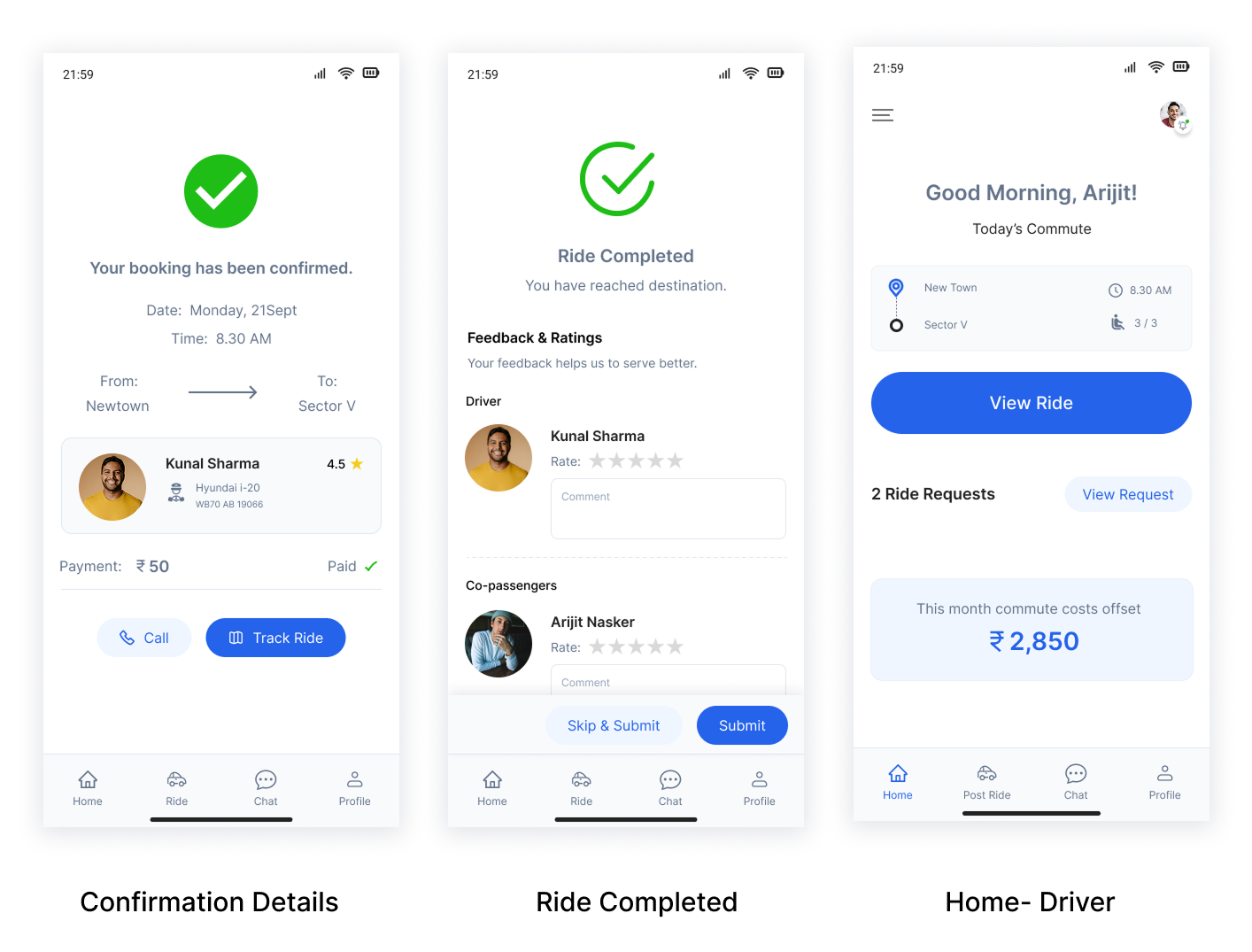
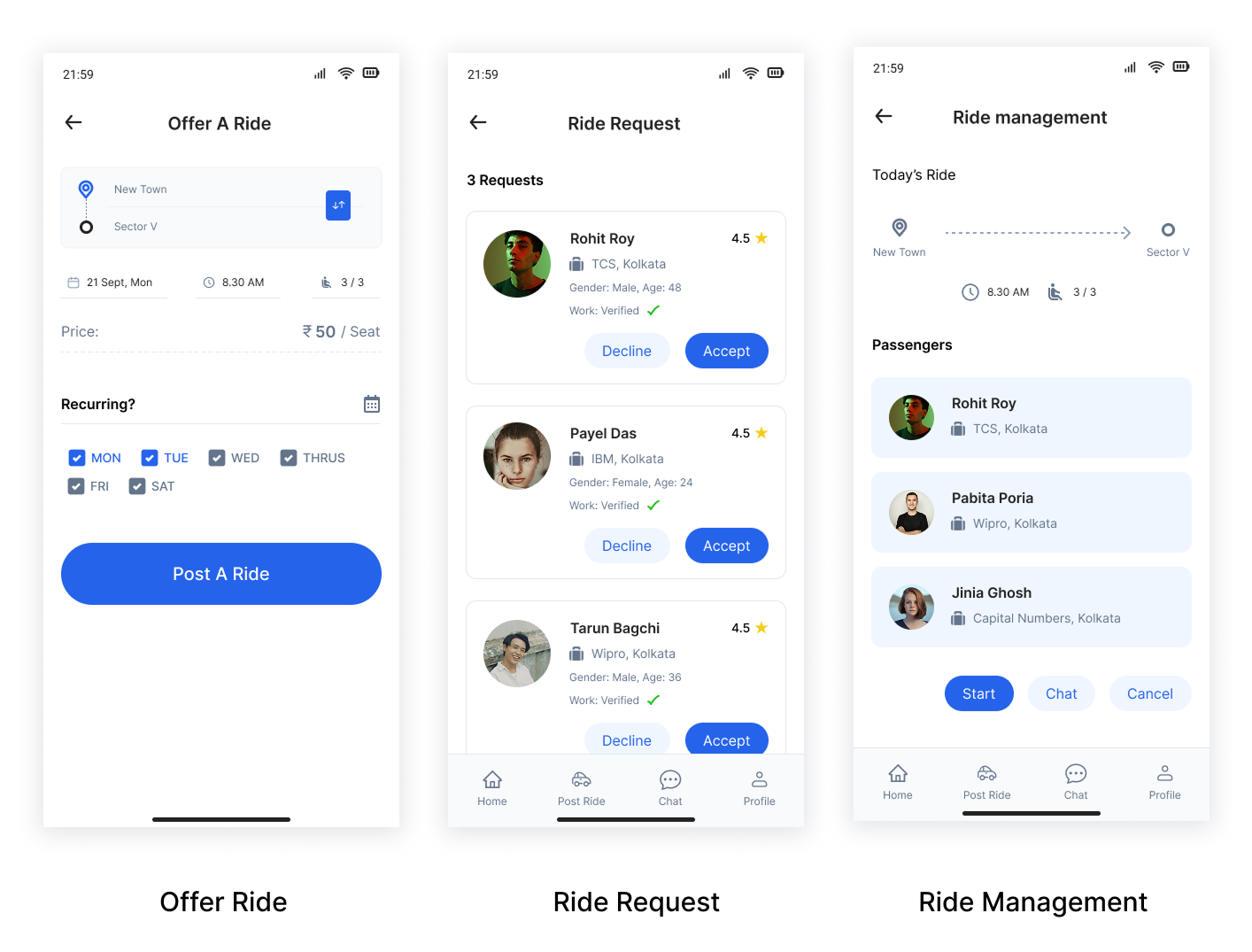
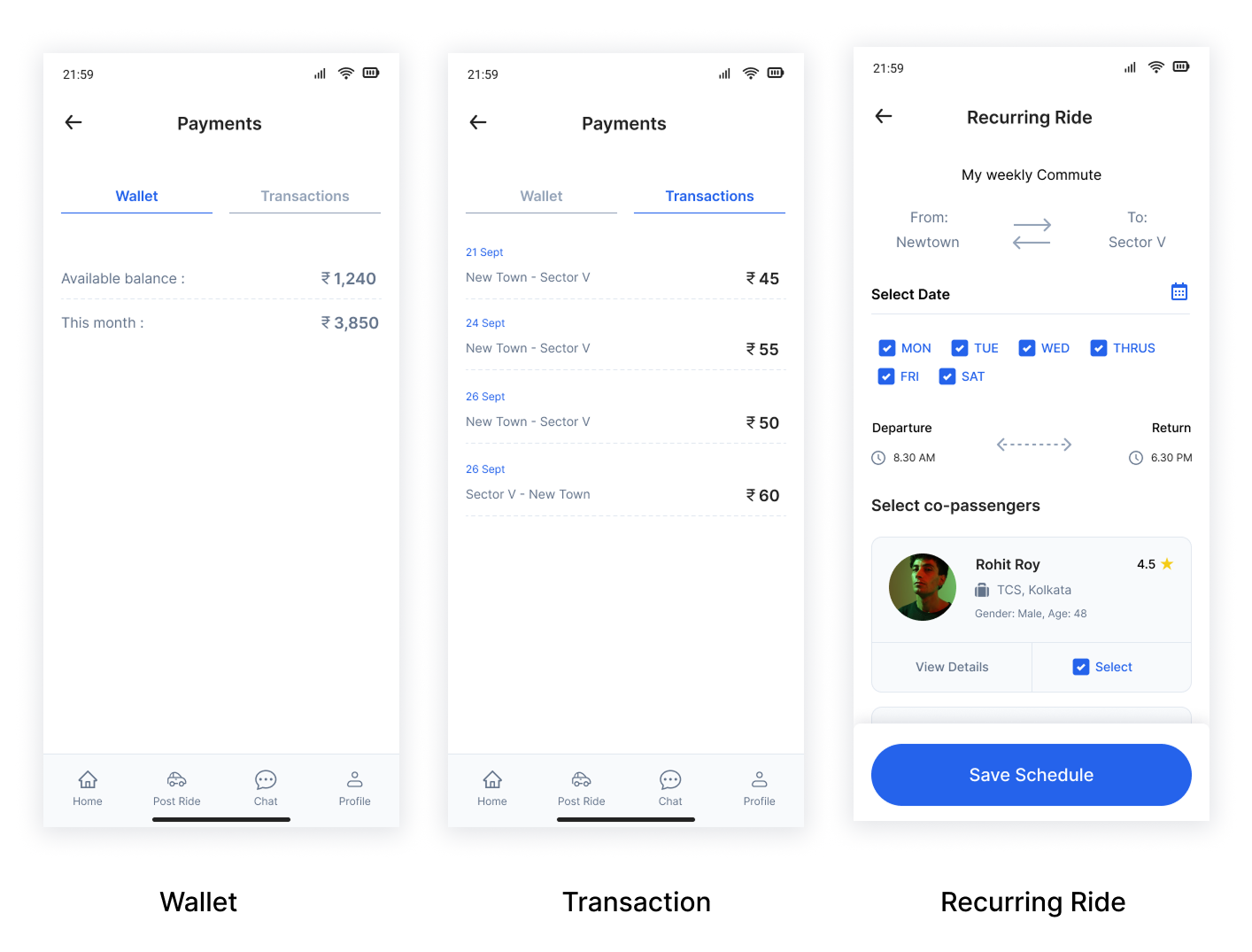
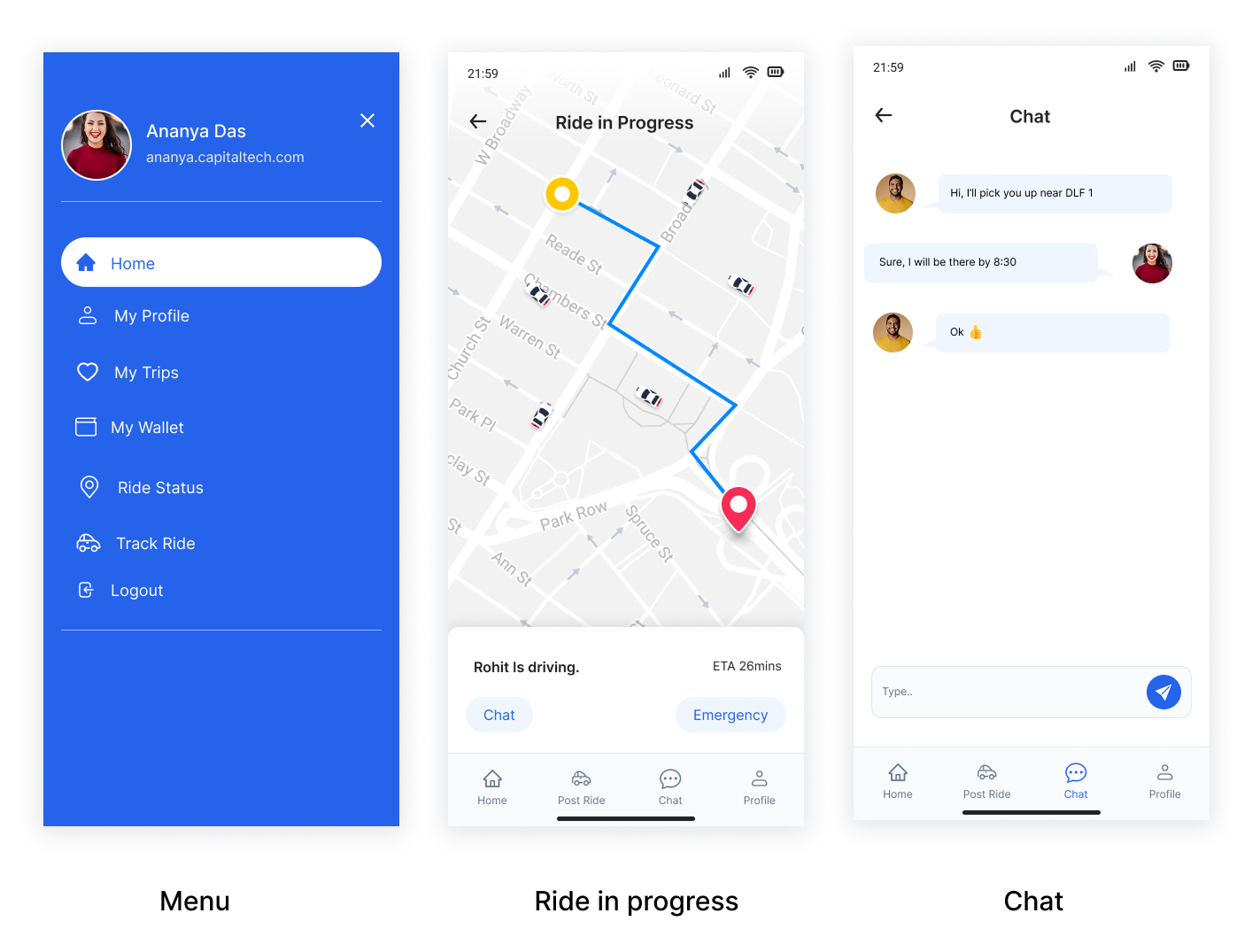
High Fidelity Design / UI Screens